









WHO Issues First-Ever Guidance to Advance Child-Focused Dengue Treatments

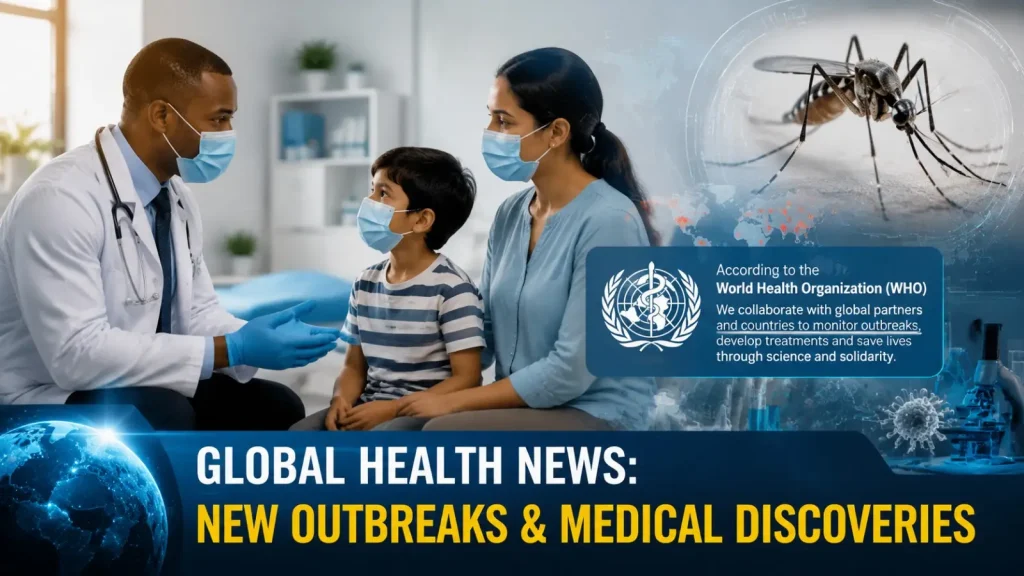
The World Health Organization has issued its first-ever guidance focused on advancing dengue treatments designed for children. The update marks an important step in global efforts to address a disease that continues to affect millions of people every year, especially in tropical and subtropical regions.

The guidance is based on WHO’s Paediatric Drug Optimization Process for dengue. It aims to help researchers, drug developers, regulators, funders, and health programmes focus more attention on children from the early stages of dengue treatment development.

This matters because children are among the groups most affected by dengue. Young children can face a higher risk of severe illness and complications. Yet, there are still no licensed treatments specifically for dengue fever, and care mainly depends on early detection, monitoring, fluids, and supportive medical management.

Why WHO Issued This Guidance

Dengue is a mosquito-borne viral disease that has become a growing public health concern worldwide. It is now found in more than 100 countries and has placed pressure on health systems in Asia, Latin America, Africa, and other affected regions.

WHO’s new guidance responds to a major gap in dengue research. Many medicines are often first developed with adults in mind, while children are considered later. WHO says this approach needs to change. Children should be included earlier in research planning so future dengue treatments are safe, suitable, and easy to use for them.

The guidance also outlines research priorities, investment needs, and product development goals. Its purpose is not to announce a new medicine, but to guide the development of better treatment options for children in the future.

What the Guidance Focuses On

The WHO report highlights the need for child-friendly dengue treatments. This includes medicines that are safe for children, available in suitable doses, and practical for use in real health-care settings.

The guidance also identifies priority treatment candidates and a watch list of possible options that need further research. One advanced treatment candidate, a monoclonal antibody, was placed on the dengue priority list for paediatric attention over the next three to five years.

WHO also calls for paediatric studies to be planned earlier when adult data becomes available. This is important because children may experience dengue differently from adults. Factors such as age, nutrition, obesity, and other health conditions can affect how the disease appears and how treatment should be studied.

Why This Matters for Children

For families and health workers, dengue can become serious quickly if warning signs are missed. Severe dengue may require hospital care, especially when there is dehydration, bleeding risk, or plasma leakage.

Child-focused treatment development could improve how dengue is managed in the future. It could also help reduce complications, support faster care, and give doctors better tools beyond supportive treatment.

However, the guidance does not mean a new dengue drug is immediately available. It is a research and development roadmap. The real impact will depend on funding, clinical trials, regulatory support, and cooperation between global health organisations and medicine developers.

Global Health Impact

The new WHO guidance comes at a time when dengue cases are rising in many parts of the world. Climate change, urban growth, travel, and mosquito spread have all contributed to the wider reach of dengue.

Better treatments for children could be especially important in countries where dengue outbreaks happen often and hospitals become overcrowded during peak seasons. If future medicines are developed with children in mind, health systems may be better prepared to manage severe cases.

What Happens Next?

The next step is for researchers, funders, and pharmaceutical developers to use WHO’s guidance to shape paediatric dengue studies. More investment will be needed to test possible treatments and create child-appropriate formulations.

For now, prevention, mosquito control, early diagnosis, and proper medical care remain central to dengue management. WHO’s new guidance is a long-term step toward making future dengue treatments safer and more suitable for children.