






Middle East on Edge: US Issues Security Alert as Iran Tensions Rise and Yemen Fighting Flares
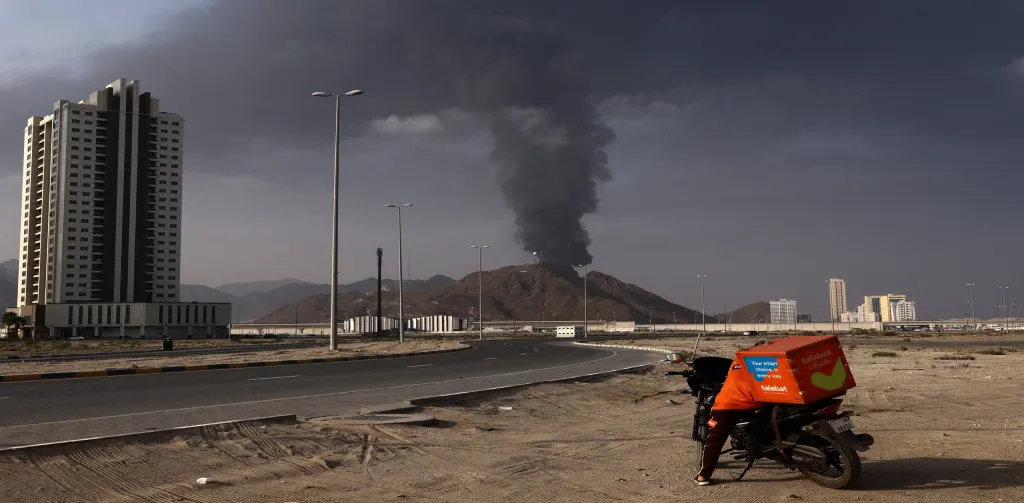
The Middle East is heating up again, and the world is watching closely. The United States has issued a fresh security alert across the region, warning of growing dangers as tensions with Iran climb and fresh fighting breaks out in Yemen. The combination has put governments, militaries, and ordinary people on high alert, with fears that the situation could spiral quickly if nothing cools it down.
The United States has moved to warn its citizens and personnel across the Middle East, pointing to heightened risks in several countries. Alerts like this are not issued lightly. They usually signal that intelligence agencies are picking up on real threats, from the possibility of attacks to broader instability.
Embassies have tightened security, and Americans in the region have been urged to stay cautious, avoid large gatherings, and keep an eye on official updates.
These alerts also send a message far beyond the region. They tell allies and rivals alike that Washington is bracing for trouble, and that it is prepared to respond if its interests or people come under threat.
At the center of the storm sits the long and complicated standoff between the United States and Iran. The relationship has been tense for decades, but recent events have pushed it to a dangerous new level.
Each side has traded warnings, and both have signaled that they are ready to defend their positions. Iran has shown it is willing to flex its military strength, while the United States has made clear it will not back down from protecting its allies and assets in the region.
The danger lies in how fast things can escalate. A single miscalculation, a strike that goes too far, or an attack blamed on the wrong party could tip the balance from tense standoff to open conflict. That is exactly why so many are holding their breath.
While attention stays fixed on Iran, Yemen has become another flashpoint. Fresh fighting has broken out, adding another layer to an already tangled crisis.
Yemen has suffered through years of war, and its people have paid a heavy price. Now the renewed clashes threaten to drag the country deeper into chaos. The fighting is not just a local matter. It is tied to the wider power struggle playing out across the region, with different sides backing different forces.
Each new round of violence puts more lives at risk and worsens a humanitarian situation that was already one of the worst in the world.
To understand the stakes, you have to see how Yemen fits into the regional puzzle. Its location near key shipping routes gives it outsized importance. Disruptions here can threaten the flow of goods and oil, sending ripples through global markets.
The fighting in Yemen is also closely linked to the rivalry between larger powers. What happens on the ground there often reflects the broader tug of war between competing nations, each trying to gain an edge. That makes any flare-up more than a local event. It becomes part of a much larger contest.
When fighting intensifies in Yemen at the same time that US and Iran tensions rise, the two stories feed into each other. The risk is that they combine into a single, far more dangerous crisis.
It is easy to get lost in the strategy and politics, but at the heart of all this are real people. Families in Yemen face the terror of renewed conflict, with homes, hospitals, and markets caught in the crossfire. Many have already fled their homes once, and now face the threat of doing so again.
Across the wider region, ordinary citizens live with uncertainty. They watch the news, check travel warnings, and wonder whether the tension will fade or explode. For them, these headlines are not distant stories. They shape daily decisions about safety, work, and the future.
Aid groups are warning that prolonged fighting could push Yemen’s humanitarian crisis to breaking point, with shortages of food, medicine, and clean water hitting the most vulnerable hardest.
Governments around the globe are watching with concern. Allies of the United States are weighing their own responses, while nations with ties to Iran are calling for restraint. Behind the scenes, diplomats are working hard to keep communication lines open and prevent a full breakdown.
Oil markets are reacting too. Any sign of trouble in this part of the world tends to push prices up, since so much of the planet’s energy flows through the region. Traders are watching every development, knowing that a sharp escalation could send costs soaring.
International bodies are urging calm and calling for dialogue, but their words often struggle to compete with the pace of events on the ground.
What makes this moment so dangerous is how quickly things could change. Several pressure points are active at once. Tensions with Iran, fresh fighting in Yemen, and a US security alert all layered on top of each other create a situation where one spark could set off a chain reaction.
Military experts warn that the region is at one of its most fragile points in years. The more actors involved, and the higher the stakes, the harder it becomes to contain any single incident. That is why even a small clash can carry such heavy risk right now.
The next stretch will be critical. Much depends on whether cooler heads can steer events away from open conflict. Diplomatic efforts may offer a path out, but only if all sides are willing to step back from the edge.
For now, the Middle East remains tense, with the US security alert still in place and the fighting in Yemen showing no sign of easing. People across the region are bracing for whatever comes next, hoping for calm but preparing for the worst.
The world is watching this unfold in real time, aware that the choices made in the coming days could shape the future of an entire region and send shockwaves far beyond its borders.
To understand the stakes, you have to see how Yemen fits into the regional puzzle. Its location near key shipping routes gives it outsized importance. Disruptions here can threaten the flow of goods and oil, sending ripples through global markets. The fighting in Yemen is also closely linked to the rivalry between larger powers. What happens on the ground there often reflects the broader tug of war between competing nations, each trying to gain an edge. That makes any flare-up more than a local event. When fighting intensifies in Yemen at the same time that US and Iran tensions rise, the two stories feed into each other. The risk is that they combine into a single, far more dangerous crisis.
It is easy to get lost in the strategy and politics, but at the heart of all this are real people. Families in Yemen face the terror of renewed conflict, with homes, hospitals, and markets caught in the crossfire. Many have already fled their homes once, and now face the threat of doing so again. Across the wider region, ordinary citizens live with uncertainty. They watch the news, check travel warnings, and wonder whether the tension will fade or explode. For them, these headlines are not distant stories. They shape daily decisions about safety, work, and the future. Aid groups are warning that prolonged fighting could push Yemen’s humanitarian crisis to breaking point, with shortages of food, medicine, and clean water hitting the most vulnerable hardest. Governments far beyond the region are tracking events with growing worry, unsure of what the next move might bring.
Governments around the globe are watching with concern. Allies of the United States are weighing their own responses, while nations with ties to Iran are calling for restraint. Behind the scenes, diplomats are working hard to keep communication lines open and prevent a full breakdown. Oil markets are reacting too. Any sign of trouble in this part of the world tends to push prices up, since so much of the planet’s energy flows through the region. Traders are watching every development, knowing that a sharp escalation could send costs soaring. International bodies are urging calm and calling for dialogue, but their words often struggle to compete with the pace of events on the ground.
What makes this moment so dangerous is how quickly things could change. Several pressure points are active at once. Tensions with Iran, fresh fighting in Yemen, and a US security alert all layered on top of each other create a situation where one spark could set off a chain reaction. Military experts warn that the region is at one of its most fragile points in years. The more actors involved, and the higher the stakes, the harder it becomes to contain any single incident. That is why even a small clash can carry such heavy risk right now.

Europe on Edge: France Braces for Weeks of Protests as Crisis Reaches Italy
Europe on Edge: France Braces for Weeks of Protests as Crisis Reaches Italy France is settling in for a long, tense stretch. What began as
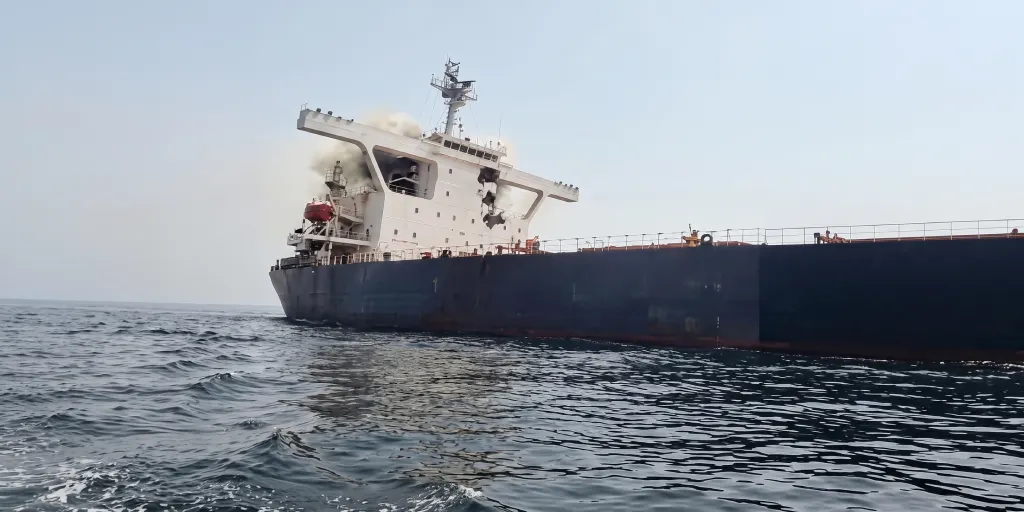
Two Ships Sink Near Hormuz After Projectile Strikes Shake Global Shipping
Two Ships Sink Near Hormuz After Projectile Strikes Shake Global Shipping The waters of the Strait of Hormuz turned chaotic this week. Two vessels went
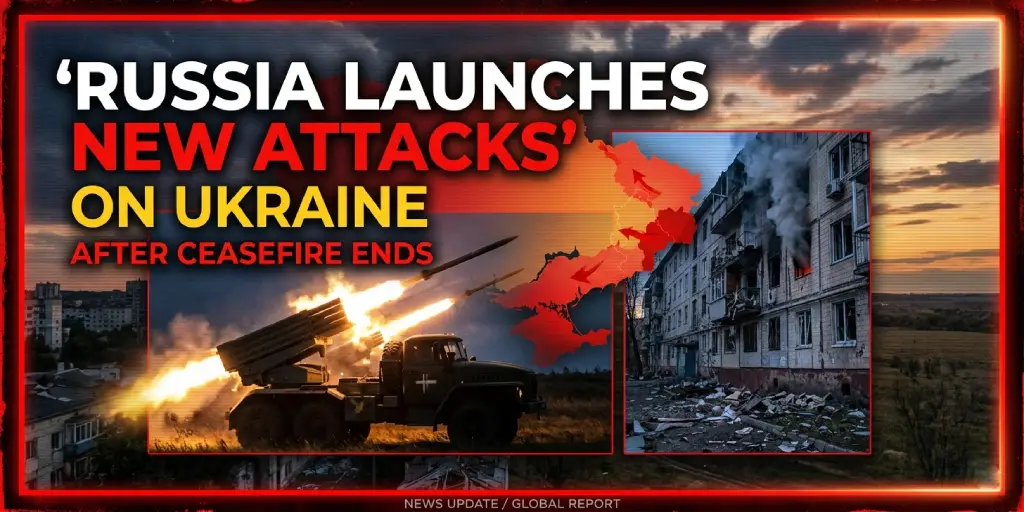
Russia launches new attacks on Ukraine after ceasefire ends
Russia launches new attacks on Ukraine after ceasefire ends The short-lived three-day ceasefire in Ukraine has ended abruptly, with Russian forces resuming attacks in several