






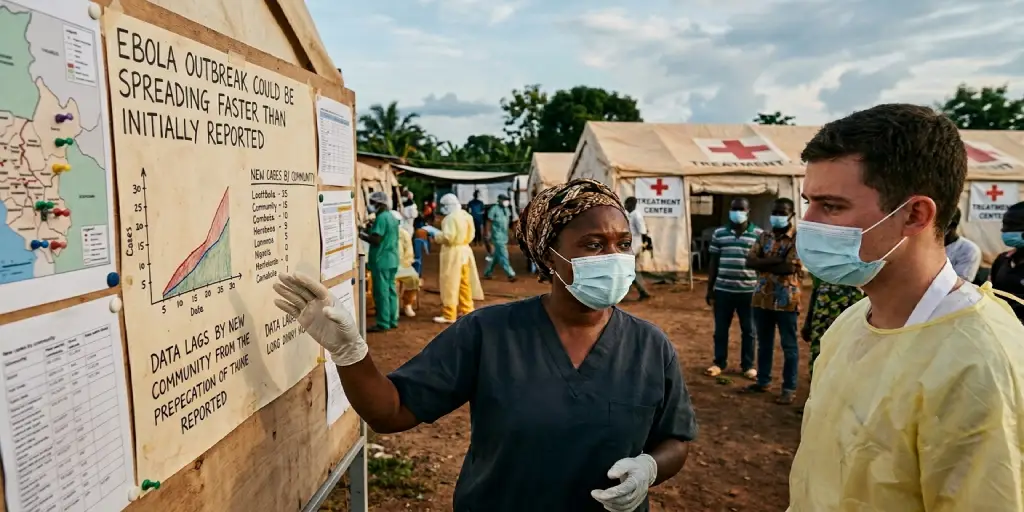

Ebola Outbreak Could Be Spreading Faster Than Initially Reported

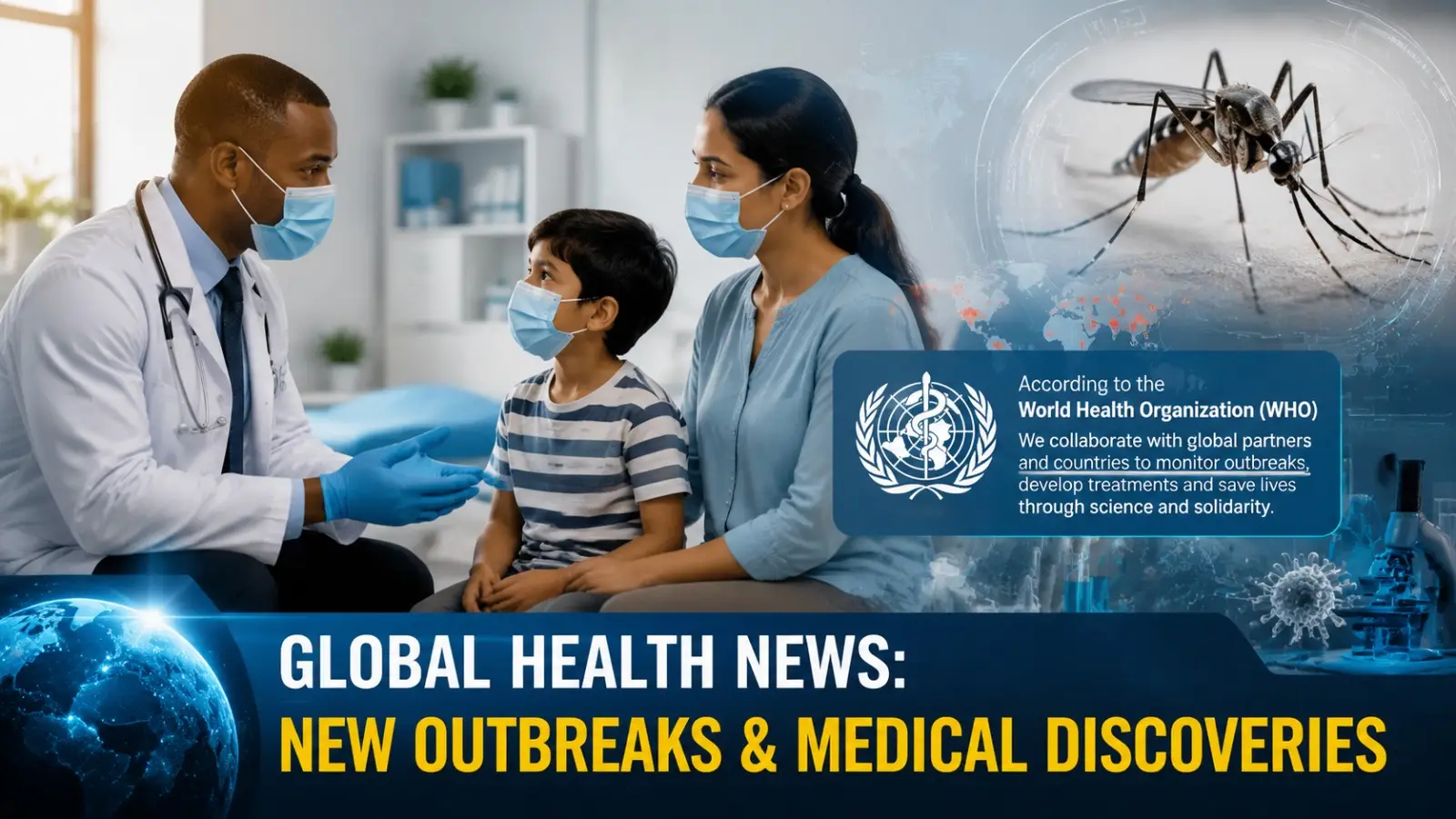
The Ebola outbreak in the Democratic Republic of Congo (DRC) may be growing faster than previously reported. As of this week, the Ministry of Health confirmed 242 cases and 95 deaths, signaling an increase in the virus’s spread compared with early projections. Many of the new infections are emerging in remote villages, where limited medical resources make early detection difficult.

Ebola spreads through direct contact with blood, body fluids, or contaminated objects, and the incubation period ranges from 2 to 21 days. Health officials warn that rural-to-urban movement is accelerating transmission, as farmers, miners, and traders travel between towns and villages.

Factors Driving Faster Transmission

Several challenges are contributing to the outbreak’s acceleration:

  • Healthcare limitations: Some clinics lack sufficient personal protective equipment (PPE), exposing staff to infection and delaying safe treatment for patients.
  • Community resistance: In certain areas, mistrust of health authorities has slowed vaccination and reporting of symptoms.
  • Geographical spread: Difficult terrain and poor infrastructure prevent rapid response teams from reaching affected villages quickly.

Efforts to Contain the Outbreak

Authorities are scaling up vaccination campaigns to protect frontline workers and residents in high-risk areas. So far, over 50,000 people have received the Ebola vaccine, but experts emphasize that coverage needs to increase to prevent further spread. Mobile laboratories have been deployed to test suspected cases within 24 hours, enabling quicker isolation of infected individuals.

International organizations, including the World Health Organization (WHO) and Médecins Sans Frontières, have sent medical teams to affected provinces. The projected cost for containment over the next three months is approximately $75 million, covering vaccines, protective gear, and medical supplies. Delays in funding or delivery could allow the virus to reach neighboring countries.

Rising Concerns

Urban areas are especially at risk. Even a small cluster of infections in cities like Kinshasa could lead to hundreds of new cases in days. Authorities are urging residents to report symptoms immediately, avoid unsafe burial practices, and cooperate with vaccination teams.

The current outbreak underscores how quickly Ebola can escalate when detection and intervention are delayed. While containment efforts are underway, the situation remains volatile, and officials continue to monitor the spread closely to prevent a wider public health crisis.