









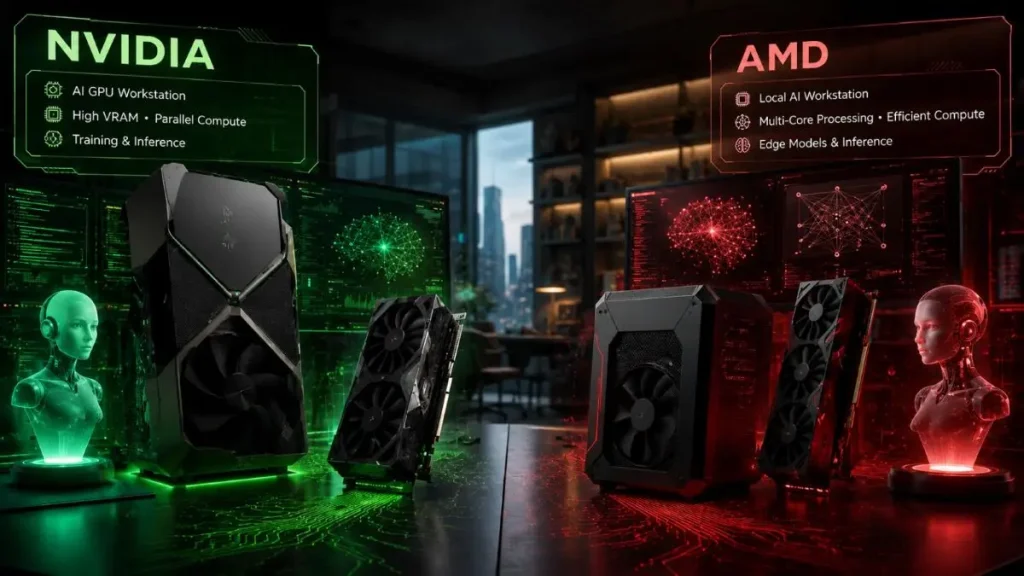
Nvidia vs AMD: The New AI PC Race
Nvidia and AMD are entering a new stage of competition. For years, both companies have fought for attention in gaming, graphics cards, processors, laptops, workstations, and data centres. Now, the race is moving toward smart computers powered by artificial intelligence.
These new AI PCs are designed to do more than normal computing. They can run AI assistants, creative tools, coding support, image generation, video editing features, and local language models directly on the device. This means some AI tasks may no longer need to depend fully on cloud servers.
Nvidia is pushing its AI PC strategy through RTX-powered systems and platforms such as RTX Spark. AMD is moving forward with Ryzen AI chips, including Ryzen AI Halo and Ryzen AI Max PRO. Both companies want to shape the future of smart computers, but their approaches are different.
What Are Smart AI Computers?
Smart AI computers, also called AI PCs, are devices built with special hardware for artificial intelligence tasks. They usually include a CPU, GPU, and NPU.
The CPU handles everyday computing. The GPU manages graphics, gaming, video editing, and heavy AI workloads. The NPU is designed for efficient AI tasks such as voice features, background blur, image improvement, summaries, and assistant tools.
The main goal is to make AI faster, more private, and more useful on personal computers. Instead of sending every request to the cloud, users can run some AI features locally. This can help students, creators, developers, and businesses work faster and keep sensitive data closer to their own device.
Nvidia’s AI PC Strategy
Nvidia has a strong reputation in GPUs and AI computing. Its graphics technology is already widely used in gaming, 3D design, video editing, AI model training, and data centres. With RTX-based AI PCs, Nvidia is trying to bring that power into personal computers.
Nvidia’s biggest advantage is its software ecosystem. Tools such as CUDA, RTX acceleration, and AI developer support give it a strong position among creators and developers. Many AI tools are already built around Nvidia hardware, which makes its AI PC strategy powerful.
Nvidia is also working closely with Microsoft to make AI features more useful inside Windows. This could help AI PCs become more practical for everyday users, professionals, and businesses.
AMD’s AI PC Strategy
AMD is also making a strong move into smart computers. Its Ryzen AI Halo and Ryzen AI Max PRO chips are built for local AI performance, business use, creative work, and compact workstations.
AMD is focusing on systems that combine CPU, GPU, NPU, and large memory support. This can help users run bigger AI workloads directly on their computers. For businesses, this is useful because it can reduce cloud costs and improve control over private data.
AMD is also trying to attract developers and companies that want flexible hardware options. While Nvidia still leads in AI software support, AMD is becoming more competitive with powerful chips and workstation-focused designs.
Nvidia vs AMD: Key Difference
The main difference is their background.
Nvidia is GPU-first. It is strong in graphics, AI acceleration, and developer tools. This makes Nvidia a strong choice for AI creators, developers, 3D artists, video editors, and users who need heavy AI performance.
AMD is platform-focused. It combines CPU, GPU, NPU, and memory into efficient systems for local AI. This may appeal to businesses, professionals, and users who want strong performance with flexible workstation options.
Why It Matters
The Nvidia vs AMD AI PC race could change how people use computers. A student may use AI to summarise notes. A designer may generate images faster. A developer may run coding assistants locally. A business may analyse documents without sending everything to the cloud.
However, AI PCs are still developing. Hardware is improving quickly, but software will decide how useful these computers become. If apps use AI hardware properly, smart computers could become a major part of daily work.
What Happens Next?
The next stage will depend on real devices, software support, price, battery life, and performance. Nvidia will likely focus on premium AI PCs for creators and developers. AMD will continue pushing local AI systems for professionals, businesses, and workstations.
For now, both companies are helping create a new future for computers. Smart AI PCs may not replace cloud AI completely, but they will make AI faster, more private, and more personal.

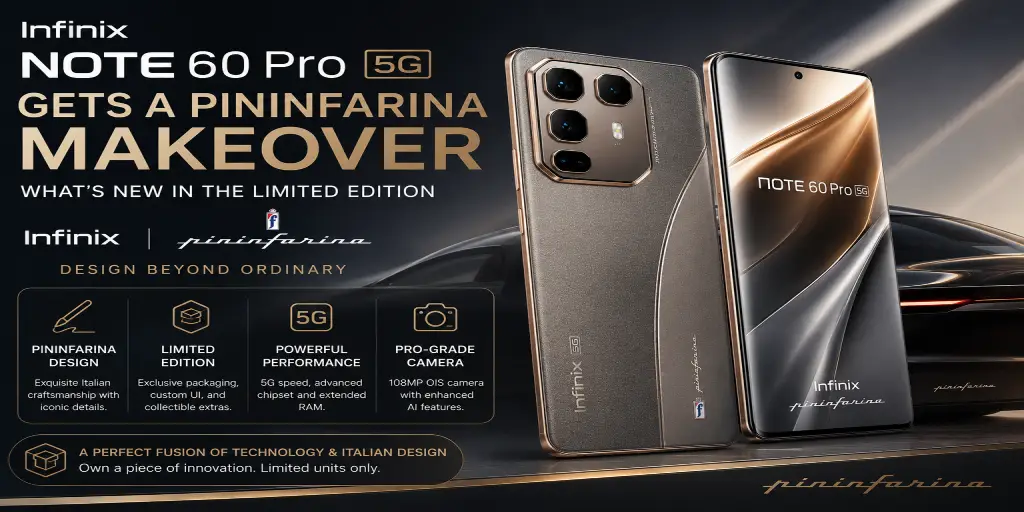
Infinix Note 60 Pro 5G Gets a Pininfarina Makeover: What’s New in the Limited Edition
Infinix Note 60 Pro 5G Gets a Pininfarina Makeover: What’s New in the Limited Edition Infinix Note 60 Pro 5G

Amazon CEO’s Talks With U.S. Officials Spark Crackdown on Anthropic AI Models
Amazon CEO’s Talks With U.S. Officials Spark Crackdown on Anthropic AI Models Amazon CEO’s Concerns Put Anthropic in the Middle
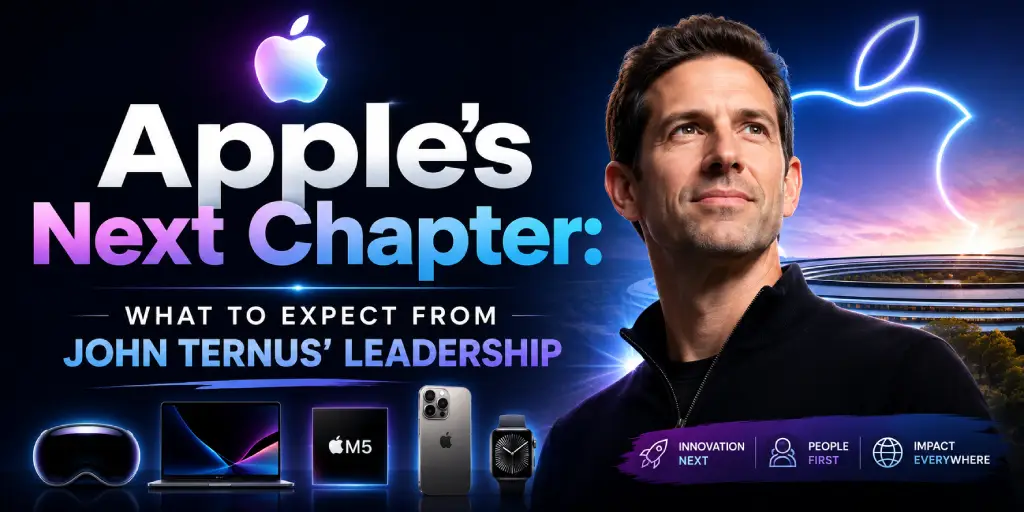
Apple’s Next Chapter: What to Expect From John Ternus’ Leadership
Apple’s Next Chapter: What to Expect From John Ternus’ Leadership The first thing to understand about John Ternus is that
